Is It Safe to Use a VPN?

Using a VPN is perfectly safe; it can actually be far safer than using the internet without some form of protection. This is especially true if you often use public wi-fi hotspots or other shared internet connections. Without the protection of a VPN, your activity can be easily intercepted and monitored by other users of the network.

However, there are a few factors that it is worth understanding about VPN companies and how their services work before you decide which one you are going to sign up with. Different companies have different approaches to the information that they retain and how they connect users to the internet.

Those consumers with particularly stringent security requirements will want to be aware of these policies and setups to be sure that they always protect their data. This article explores a few of the tasks that all VPN users can do to make sure that their internet browsing experience is as safe and secure as possible.

Check the Logs Policy

The majority of major commercial VPN operators, such as SurfShark and NordVPN, have what is known as a ‘no logs’ policy. Put simply, this means that they do not keep any records of what their users do when they are connected to the service. This means that there is no risk of activity later being audited by someone else and a user being challenged on the basis of their browsing history. In order to make this possible, VPN companies are generally registered in countries with light-touch approaches to internet regulation. In some cases, the government requires that ISPs and other internet companies keep records of all internet activity. This generally means that a VPN company with a robust approach to privacy will not be able to operate in that particular country. This is the case for places such as China and Saudi Arabia, where VPN services are not generally available. Indeed, China is not even offered as a potential endpoint location by the vast majority of VPN companies for precisely this reason.

Look Into Multi-Hop Options

If it is imperative to you that your data cannot be intercepted when you are using a VPN, then consider using an operator that offers multi-hop connections. These make it even more difficult for anyone to intercept your data as it is passed through two different VPN servers on its way to the wider internet. In most cases, VPN companies will locate both of the servers that are used on multi-hop connections in different countries in order to offer an additional layer of security. All of this helps to make the experience of browsing the internet using a VPN even more secure.

In general, it’s worth checking which countries the servers are located in before deciding which one to use. In general, it is the final country in the multi-hop that will determine the services that you are able to use. For instance, if you want to watch a show that is only available on the UK version of Netflix, then you will need to select a multi-hop connection where the final server in the chain is connected in the UK.

Encryption Options

The vast majority of VPN operators will encrypt your connection to their server and between any of their servers that are involved in a multi-hop chain. The only part of the journey that could potentially be left unencrypted is the final hop from the endpoint server to the server of the website that you are connecting to.

Since the traffic has long since been disassociated from your own IP address, the risks of this revealing any personally identifying information or allowing others to track your browsing habits are very minimal.

Check Device Compatibility

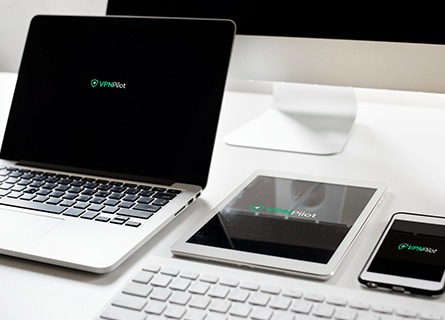
You will also want to make sure that the VPN service you have chosen works on as many of your devices as possible. Some VPNs allow you to set them up at the router level; this means that every device that connects to your home network will enjoy the security protection offered by the VPN service. You may also want to make sure that the VPN service you are thinking of using has a mobile phone app that will allow you to enjoy the protection of the VPN service when you are on the move.

Most VPN services will allow you to enjoy a trial of their service in order to check it is fully compatible before you are committed to using and paying for the service for an extended period of time.

Other Factors to Consider Before Choosing a VPN Service

All of these security points make it clear that a VPN is an excellent option for anyone who cares about their security when they are using the internet. The good news is that a considerable number of VPN operators meet all of the criteria outlined above, and anyone who is looking for a VPN that will keep them safe when they browse the internet will have a lot of options available to them. The bad news about this point is that it can make choosing the right VPN service very difficult.
The first thing to check in order to narrow down the options that are available to you is the countries in which a particular VPN provider operates servers. If you are looking for an internet browsing experience that is as close to ‘normal’ as possible, then it is essential to make sure that the VPN company you are considering has servers located in your country. If they do not, you may find that a lot of websites that you regularly use, streaming services, in particular, do not work as you expected.

If you are keen to explore media that is not available in your country, then consider checking that the VPN you are looking at has servers in that area. Watching media and other content that is blocked in your country is a widespread reason for people to start using a VPN.

How to choose the
best VPN

Many VPNs limit you to connecting a specific number of devices at the same time. If you have multiple mobile devices, laptops, smart TVs or other hardware to protect.